The Magnetic World of Mahjong: A Journey Through a Timeless Game
Mahjong, a game rich in history and culture, holds a prominent place in the hearts of millions around the globe. Its allure stems from its intricate strategy, aesthetic appeal, and the vibrant social experience it offers. Known by the keyword "JLJL99" in some circles, Mahjong is more than just a game; it's a reflection of history, art, and community.
Unraveling the Origins of Mahjong
The origins of Mahjong are shrouded in mystery, with numerous legends hinting at its inception. Most historians agree that Mahjong originated in China during the late Qing Dynasty. It was initially played by the upper echelons of society before permeating through various strata worldwide. The game's evolution reflects the dynamic changes in Chinese society, adopting and adapting different cultural elements over time.
The Importance of Jiangsu in Mahjong's Evolution
One crucial location in Mahjong's history is the Jiangsu province, known for its intellectual prowess and cultural traditions. Many believe Jiangsu played a pivotal role in popularizing and standardizing Mahjong, cementing it as an integral part of Chinese leisure activity.
The Thrill of the Tiles: Understanding Mahjong's Composition
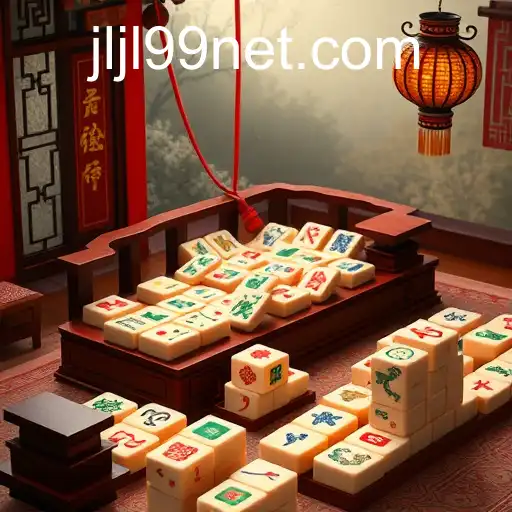
A standard Mahjong set contains a collection of tiles that are markers of intelligence, skill, and chance. These tiles are typically categorized into suits and honors. The suits include Bamboos, Dots, and Characters, while the honor tiles feature Dragons and Winds. This complex structure requires players to develop both strategic thinking and an intuitive understanding of the game's flow.
The Artistry of Mahjong Tiles
Beyond their functional purpose, Mahjong tiles are a form of artistic expression. Craftsmanship is displayed in the intricate designs etched onto each tile, often featuring traditional Chinese symbols and motifs. This artistic dimension adds to the game's aesthetic charm, attracting those who appreciate its cultural significance.
Mastering the Game: Rules and Strategies
Despite regional variations, the primary objective in Mahjong is consistent: to be the first to assemble a complete hand using a combination of sets and pairs. Achieving this requires not only knowledge of the rules but also strategic acumen. Players must decide which tiles to keep or discard, how to respond to opponents' discards, and when to declare "Mahjong."
Key Strategies for Success
Strategic players often employ tactics such as hoarding certain suits, bluffing, and maintaining a mental tally of tiles. Awareness of opponents' strategies and a keen eye for detail can provide a significant advantage. Competitive Mahjong demands analytical skills akin to those utilized in chess or poker.
The Social Dynamics of Mahjong
Mahjong is much more than an individual pursuit; it is a social activity that fosters camaraderie and community. Traditionally played in groups of four, the game encourages interaction and communication, transcending cultural and linguistic barriers. For many, the act of gathering for a Mahjong game is as important as the game itself.
Mahjong's Role in Bridging Generations
In many families, Mahjong serves as a conduit for intergenerational bonding. Grandparents sharing their skills with grandchildren, or family members assembling around the Mahjong table during festive occasions, highlights the game's role in preserving cultural heritage and family ties.
Global Spread and Influence
While deeply rooted in Chinese tradition, Mahjong has found new life worldwide. Western adaptations, such as Mahjong Solitaire and various online versions, have broadened its appeal. Each culture that embraces Mahjong adds unique twists, further diversifying the game's rich tapestry.
A Cultural Ambassador
Mahjong's global spread is a testament to its universal appeal. It serves as a cultural ambassador, introducing players to diverse traditions and fostering understanding through shared play. As a subject of academic research and artistic endeavor, Mahjong continues to inspire and captivate.
The Future of Mahjong: Technological Advances and Renewed Interest
The advent of digital technology has ushered in a new era for Mahjong. Online platforms and apps have made the game accessible to broader audiences, allowing players across continents to engage in real-time matches. This digital shift is enticing a younger demographic, ensuring Mahjong's vitality for future generations.
The Rise of Online Mahjong Tournaments
Competitive online Mahjong tournaments are gaining traction, offering players the thrill of international competition without leaving their homes. These tournaments not only enhance skills but also cultivate a global Mahjong community, bound by a shared passion for the game.
Conclusion
Whether approached as a casual pastime or a competitive pursuit, Mahjong remains an enduring emblem of cultural heritage, strategy, and social connectivity. As players continue to gather around physical and virtual tables, Mahjong's timeless charm, symbolized through "JLJL99", is certain to resonate with future generations.